Teach Teacher End of Year Coquette Grad
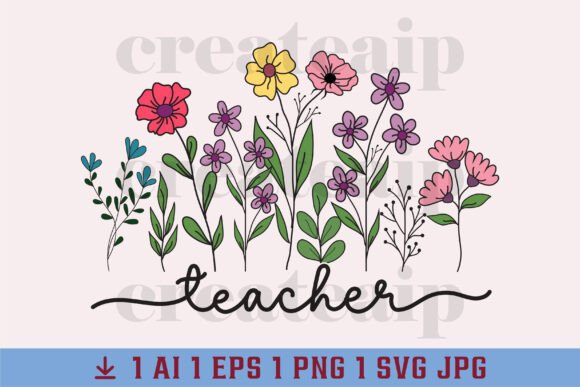
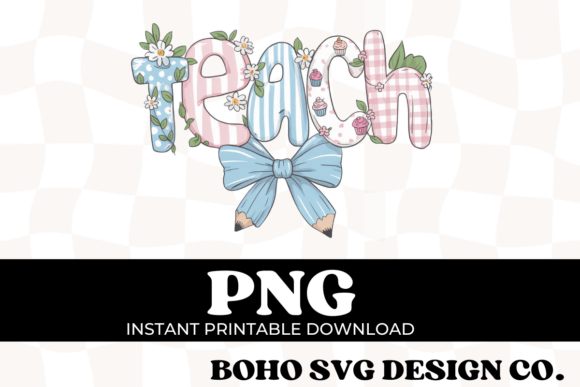
As someone who’s stitched over 300 teacher-themed projects—from graduation totes for school PTA events to personalized baby onesies for educator moms—I opened Teach Teacher End of Year Coquette Grad expecting charm, but not quite this level of intentional softness. It’s not just another “Best Teacher Ever” graphic. This design leans into coquette aesthetics—curved script, dainty florals, subtle heart accents, and a gentle asymmetry that feels handwritten rather than templated. The layout breathes: no cramped corners, no overlapping elements fighting for space. That matters—especially when you’re planning to embroider it on a curved surface like a cap brim or a rolled tote handle.
A Real Project Test: Embroidering a Linen Tote for an End-of-Year Gift
Last week, I used Teach Teacher End of Year Coquette Grad on a natural linen tote for a fifth-grade teacher’s farewell gift. Why linen? Because it’s popular in boutique shops and Etsy listings—but also unforgiving. No stretch, uneven weave, minimal give. I chose a medium-weight cutaway stabilizer and tested first on scrap with three thread colors: dusty rose, charcoal gray, and cream. The result held up. The script remained legible at 3.8 inches wide (my target size), and the floral flourishes didn’t turn into fuzzy blobs. That tells me this design has smart spacing—not too tight, not too sparse—and avoids ultra-thin connecting lines that vanish under satin stitch density.
Where It Shines (and Where It Needs Caution)
Teach Teacher End of Year Coquette Grad works beautifully for:
- Custom apparel—especially lightweight sweatshirts and cotton tees where the coquette vibe reads as thoughtful, not cutesy.
- Tote bag design and apron embroidery, where the flowing script wraps naturally around seams or pockets.
- Embroidered patch production: clean outer edges and balanced negative space make it ideal for heat-applied or sew-on patches sold in craft fairs.
- Baby embroidery on onesies or burp cloths—its gentle scale and lack of harsh angles feel nurturing, not overwhelming.
- Holiday embroidery and personalized gifts: I’ve seen it reworked into June graduation bundles alongside mini diploma icons and chalkboard-style borders.
But here’s where attention is needed:
- Small hoop sizes (<4" diameter): The full composition—including decorative swashes and side florals—needs breathing room. Trimming it risks losing its coquette rhythm.
- Textured fabrics like terry cloth or bouclé: those fine script strokes can sink between loops. A firmer stabilizer and slightly reduced stitch density help, but test first.
- Dark fabric: The design relies on delicate contrast. On navy or charcoal, avoid light pastel threads unless you add underlay or switch to matte polyester for better definition.
- Curved surfaces like caps or pillow covers: the script flows left-to-right, so centering it on a rounded front panel means checking how the curve affects letter spacing. A slight horizontal compression in your embroidery software may be necessary.
- Frequent-wash items like tea towels or kids’ clothing: confirm the fill stitch density isn’t so low that it pulls or gaps after laundering. Running stitch outlines alone won’t hold up—this design needs solid satin or fill elements anchoring key phrases.
What It Adds to Your Finished Product
This isn’t just decoration—it’s emotional shorthand. When customers see Teach Teacher End of Year Coquette Grad on a handmade product, they register care, nostalgia, and intention. That lifts perceived value. A $28 embroidered tote with this design sells faster than one with generic clipart because it signals *this was chosen, not grabbed*. For Etsy sellers and small shop owners, that translates to fewer returns, more repeat buyers, and stronger brand consistency across teacher-themed collections.
It also supports authenticity in presentation. Unlike many “Teacher Aesthetic PNG” files that look flat on screen but pixelate when scaled, this one holds clarity in both digital mockups and physical stitching—making your printable mockup listings more trustworthy. And because it avoids dated tropes (no apples, no chalkboards, no coffee mugs crowding the layout), it stays fresh beyond one school year.
Practical Notes Every Embroidery Designer Should Check
Before committing to Teach Teacher End of Year Coquette Grad in your next embroidery project, do these five things:
- Test on scrap fabric matching your final product’s weight and texture—linen behaves differently than jersey knit, and that difference shows in stitch laydown.
- Review thread color contrast in both daylight and indoor lighting. What reads as soft pink on screen might disappear on heather gray fabric.
- Inspect small details at 200% zoom: are there any stray anchor points or overlapping nodes that could cause jump stitches?
- Check licensing before selling finished items or bundling it into digital embroidery kits—since it’s listed as Graphics and T-Shirt Designs, confirm whether commercial use is included or requires attribution.
- Use proper stabilizer—especially for lightweight cotton or rayon blends. A tear-away alone won’t prevent puckering on this design’s open areas.
One last note: if you're building a craft business around teacher appreciation, treat Teach Teacher End of Year Coquette Grad as part of a system—not a one-off. Pair it with coordinating fonts for tags, simple border motifs for tea towels, or monogram-ready versions for personalized gifts. Its versatility lies not in being everything, but in being *just enough*: graceful, recognizable, and quietly professional.