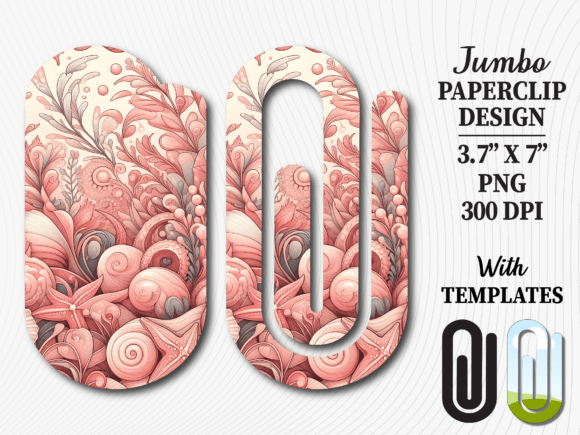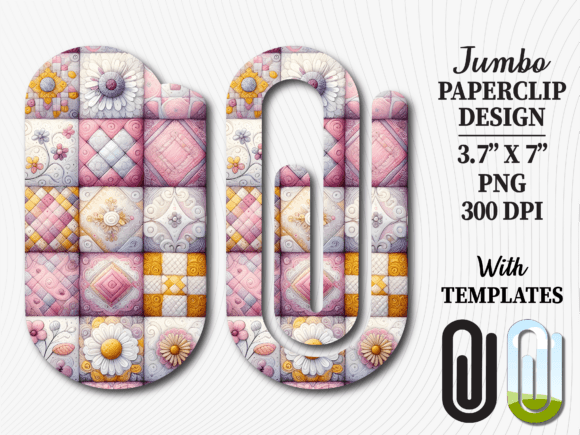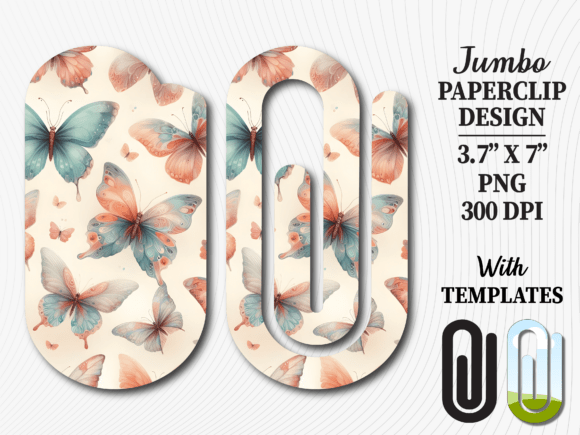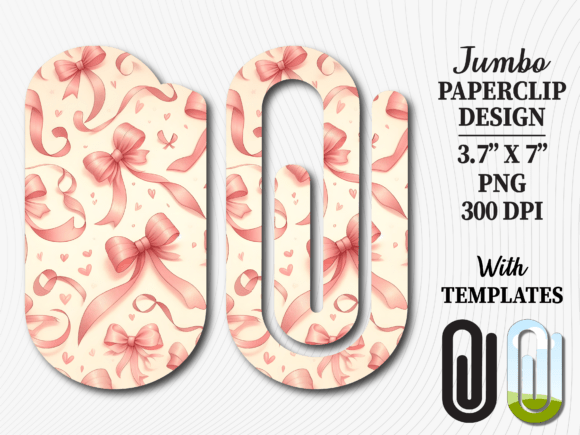
Bookshelf Books Library Jumbo Paperclip
A Designer’s First Look: Charm with Clear Intent
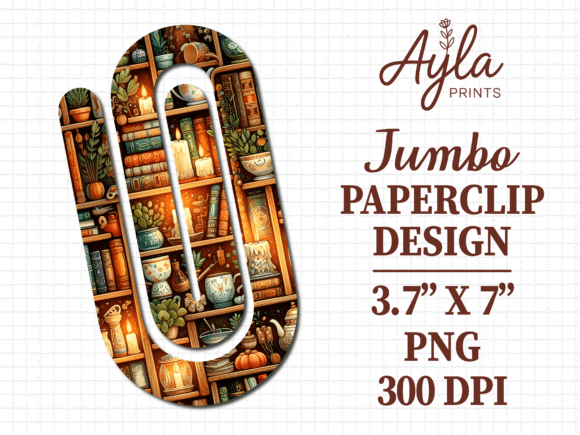
When I opened Bookshelf Books Library Jumbo Paperclip for the first time, I didn’t see just a graphic—I saw a mood. It’s clever, quietly literary, and gently nostalgic—like finding a well-loved paperclip holding together pages from a favorite novel. The shape is bold but friendly: elongated, vertical, and anchored by stacked book spines that double as visual weight. At roughly 3.7×7 inches, it’s built for presence—not subtlety. This isn’t a whisper; it’s a confident, compact statement. As a designer who regularly selects embroidery assets for real client work, I immediately pictured it stitched onto a natural linen tote bag for a local indie bookstore’s holiday pop-up. That’s where this design lives best: in thoughtful, tactile, small-batch handmade products.
Where It Shines (and Where It Needs Care)
Bookshelf Books Library Jumbo Paperclip works beautifully on medium-to-heavyweight fabrics with stable surfaces—think cotton canvas totes, brushed fleece sweatshirts, or structured aprons. Its clean lines and generous negative space translate well into satin stitch outlines and balanced fill areas. On a custom embroidered baby onesie? Yes—but only if you’re using lightweight stabilizer and reducing stitch density slightly to avoid stiffness. For an Etsy seller listing personalized library-themed nursery pillows, this design adds instant charm without overwhelming the item.
It’s less ideal for tight curves or ultra-fine details. A baseball cap front? Possible—but only with careful digitizing adjustments (this PNG isn’t pre-digitized, so you’ll need to convert it properly). Tiny lettering on the book spines may blur on stretchy knit t-shirts unless you use cutaway stabilizer and reduce speed. And on dark fabric? Test thread contrast thoroughly—light cream or warm taupe threads often read clearer than stark white here.
Real-World Use: From Mockup to Market
Last month, I used Bookshelf Books Library Jumbo Paperclip as the centerpiece for a set of embroidered tea towels sold at a craft fair. I paired it with simple running-stitch “book page” borders and soft grey thread on oat-colored linen. Customers responded instantly—not just to the image, but to how *intentional* it felt. That’s the quiet strength of this design: it reads as curated, not clip-art. For a small shop owner building brand consistency, it’s a reliable anchor—whether stitched on a boutique apron, heat-applied as a sublimated patch, or scaled down for a printable mockup in your digital product listings.
As a craft business owner, I also appreciate how it bridges personalization and professionalism. A customer ordering a “personalized gift” for a retiring librarian doesn’t want generic florals—they want meaning. This design delivers that, without requiring custom illustration. But—and this matters—it only works if executed with care. A rushed hoop placement or mismatched stabilizer turns charm into clutter.
Practical Notes Every Embroidery Designer Should Check
- Test first—always run a sample on scrap fabric matching your final project’s weight and texture.
- Review stitch density before digitizing: dense fills may pucker thin cotton; open weaves like tea towels need tighter tension control.
- Confirm hoop size: at 3.7×7 inches, this fits comfortably in a 5×7 hoop—but verify clearance on curved surfaces like caps or pillow gussets.
- Inspect small details: the spine titles are legible at full size, but shrink below 3 inches and they’ll lose clarity.
- Try black-and-white mockups: this design relies on shape and rhythm more than color, so it holds up well in monochrome branding.
- Use proper stabilizer: medium-weight cutaway for knits, tear-away for stable wovens, and fusible for lightweight linens.
- Check licensing: since this is a digital embroidery file sold as a Graphics asset, confirm whether commercial use is permitted before selling finished embroidered products or bundling it into design assets.
Why It Builds Trust—Not Just Texture
In handmade markets, customers don’t just buy stitches—they buy intention. When someone sees Bookshelf Books Library Jumbo Paperclip cleanly embroidered on a kitchen towel, they sense care. They imagine the maker choosing that design for its quiet wit, not just its file size. That perception lifts perceived value, supports higher pricing, and encourages repeat buyers. For Etsy sellers, it’s a subtle differentiator: same category, same price point, but stronger storytelling.
That said, it won’t rescue poor execution. If your thread tension is off or your fabric shifts mid-stitch, the clean geometry becomes distorted—and that undermines trust faster than any design can build it. So treat this like a collaborator: capable, expressive, but reliant on your skill to bring it fully to life.
Final Thought: A Design That Fits Its Purpose
Bookshelf Books Library Jumbo Paperclip isn’t trying to be everything. It’s not a floral wreath, a script monogram, or a complex applique design. It’s a focused, well-proportioned graphic that serves Crafts and Graphics creators who value clarity, narrative, and quiet sophistication. Whether you’re stitching a holiday gift for a teacher, launching a small shop line of literary-themed apparel, or building digital embroidery files for fellow designers, this design earns its place—not through flash, but through fit. Just remember: great embroidery starts with smart selection, not just beautiful files.